Tracey Rose (b. 1974, Durban, South Africa) is a South African multimedia artist whose practice encompasses performance, photography, video, installation, print, and drawing. She completed a Bachelor of Arts in Fine Art at the University of the Witwatersrand, Johannesburg, in 1996, and later obtained a Master of Fine Arts from Goldsmiths, University of London, in 2007. Rose lives and works in Johannesburg.
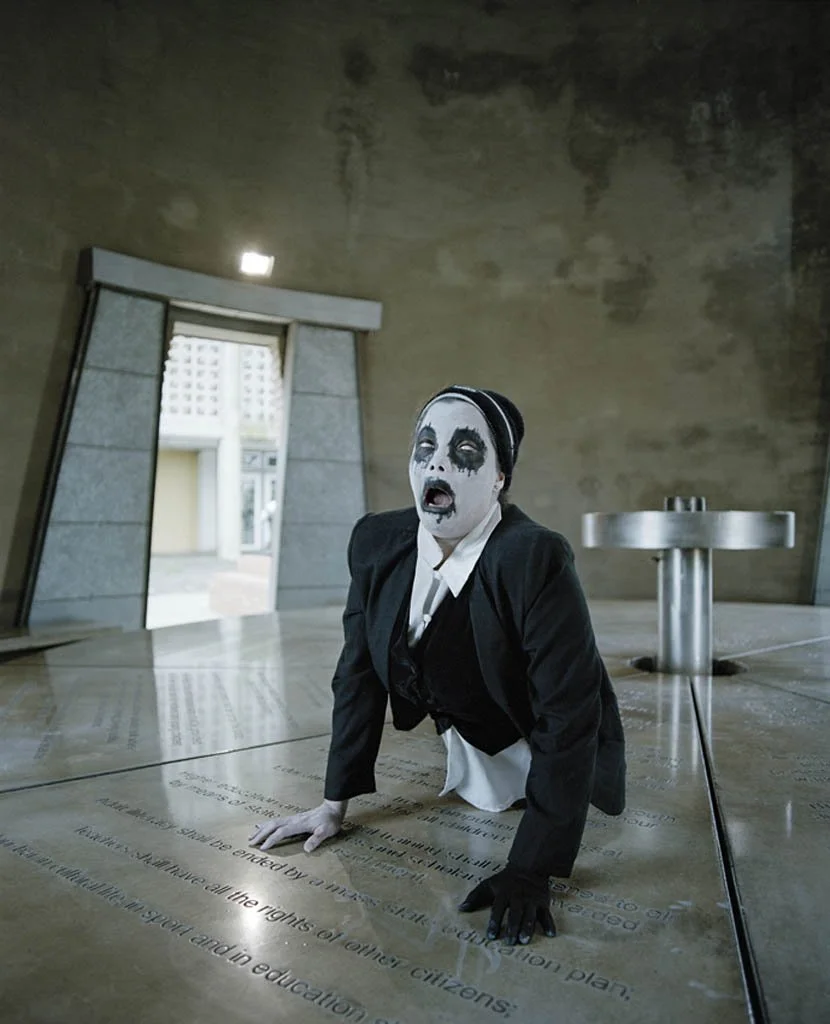
Rose is widely recognised for a performative practice that positions the body, often her own, as a central site of inquiry. Her work engages critically with race, gender, sexuality, colonial legacies, and power, using performance as a means to confront and destabilise fixed identities and dominant historical narratives. Early works such as Span I and Span II (1997) and Venus Baartman (2001) foreground the politicised body as a contested terrain, interrogating ethnographic display, racialised spectacle, and the persistence of colonial violence in visual culture.
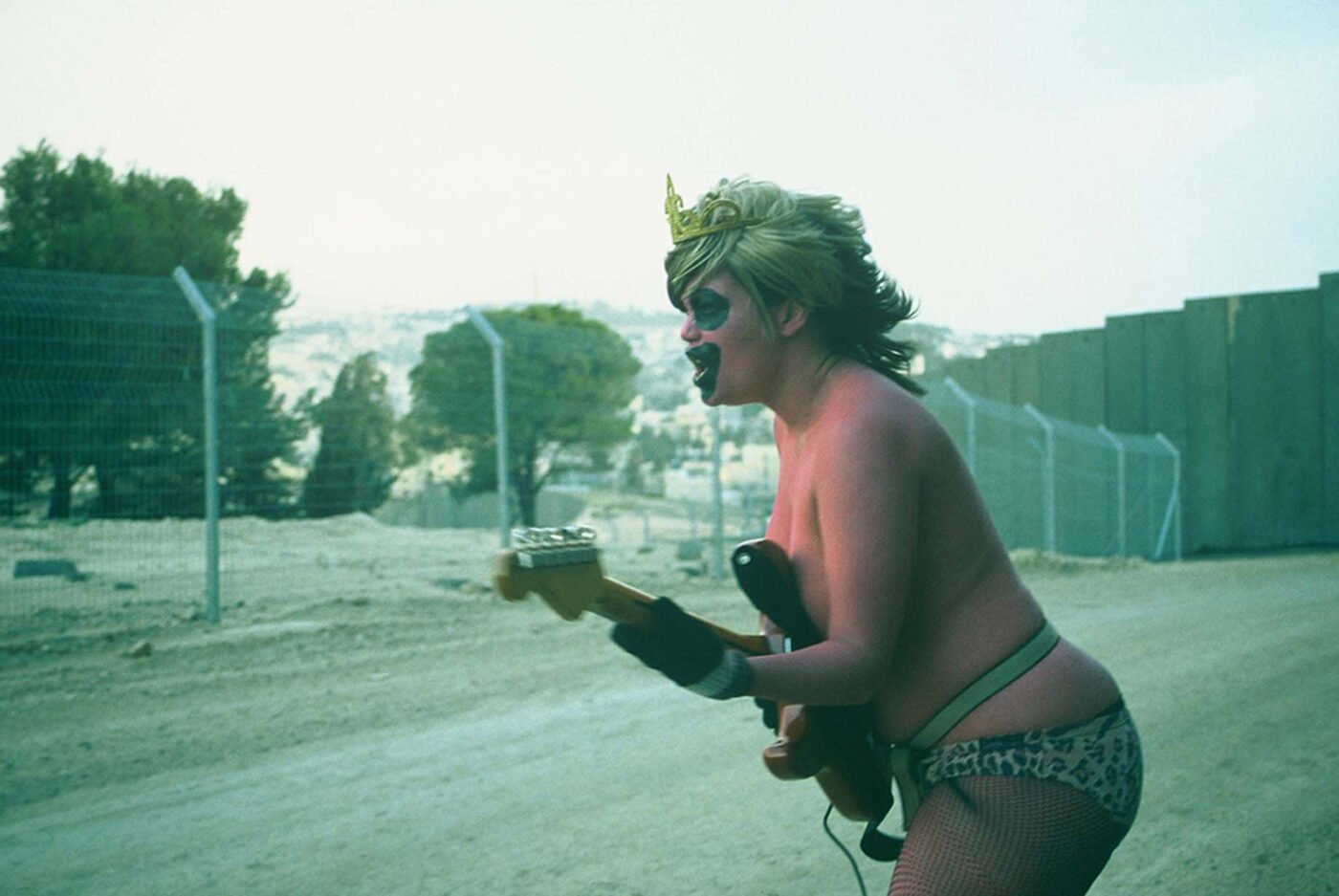
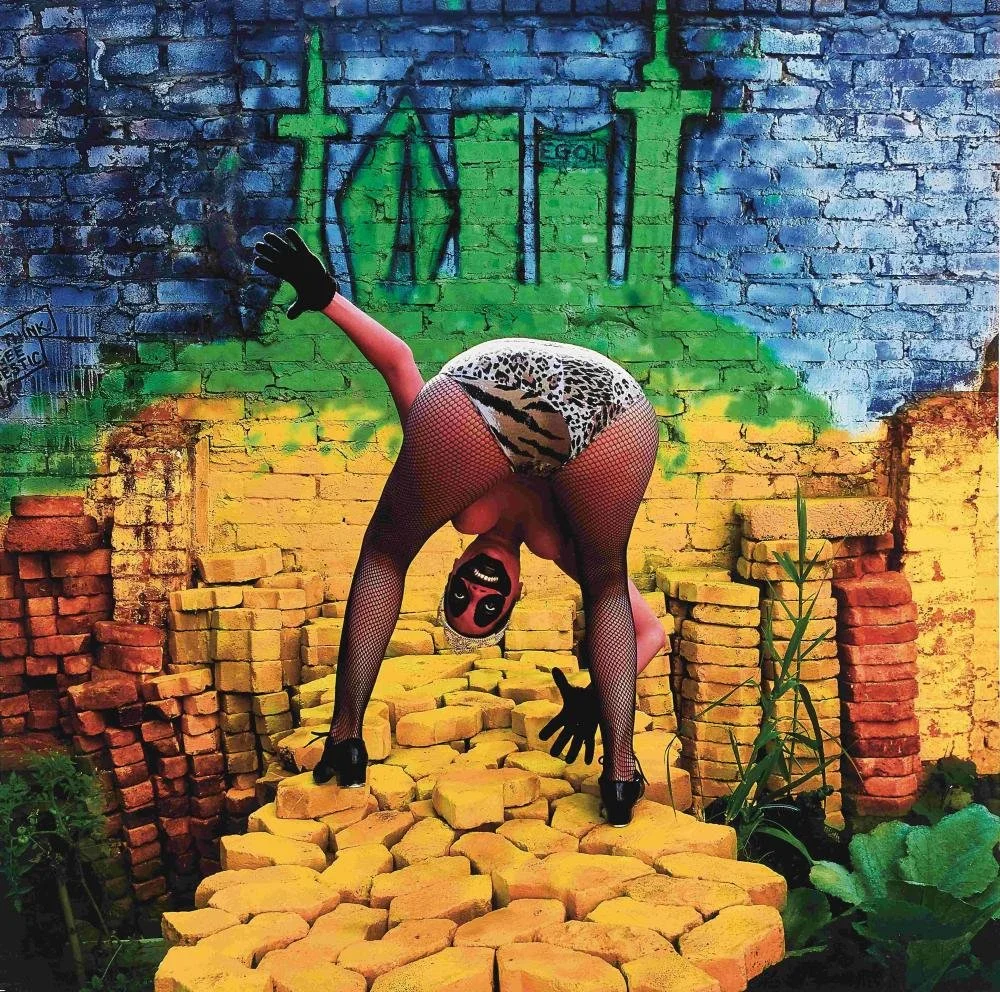
While performance remains foundational to her practice, the documentation of these performances becomes part of her larger body of work through photography, video, and installation, allowing their conceptual and affective dimensions to persist beyond the live event. Works such as Ciao Bella (2001), The Kiss (2001), and Ongetiteld (Untitled) (1998) employ excess, parody, and a grotesque sensibility to challenge moral authority, religious symbolism, and patriarchal structures. Her practice has been characterised by an anarchic visual language that combines aesthetic intensity with conceptual rigor, often unsettling the viewer through humour, provocation, and strategic disruption.
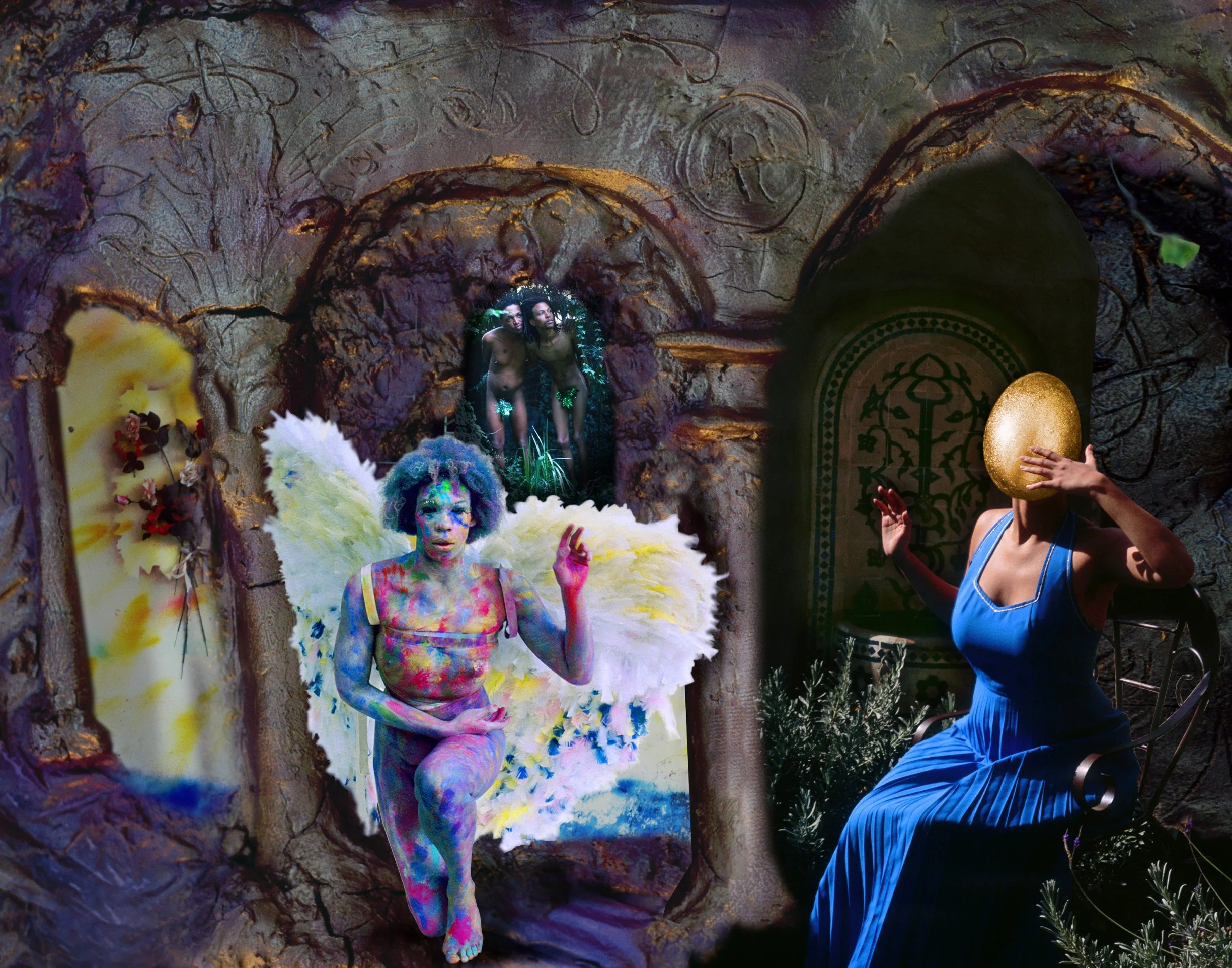
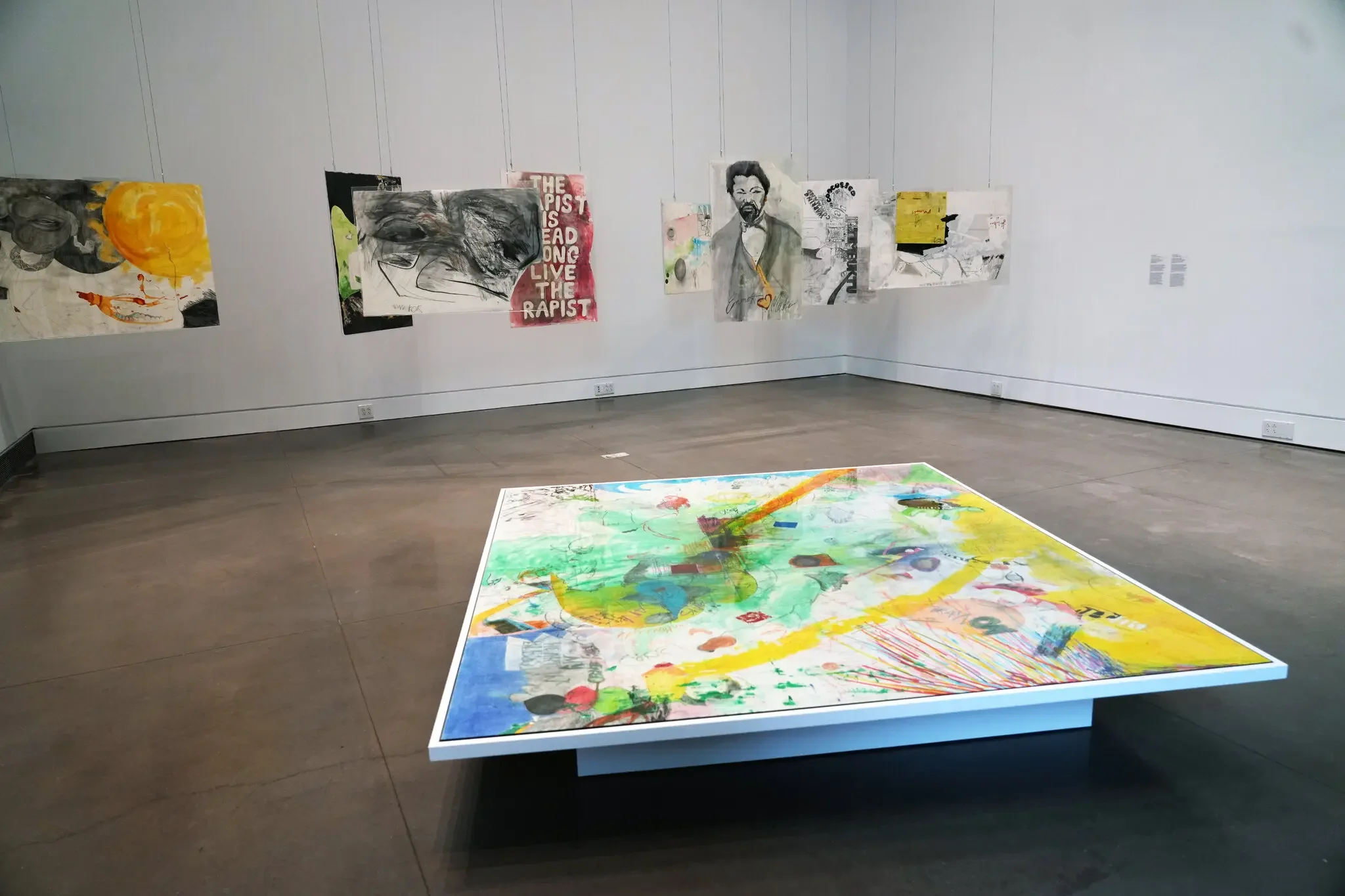
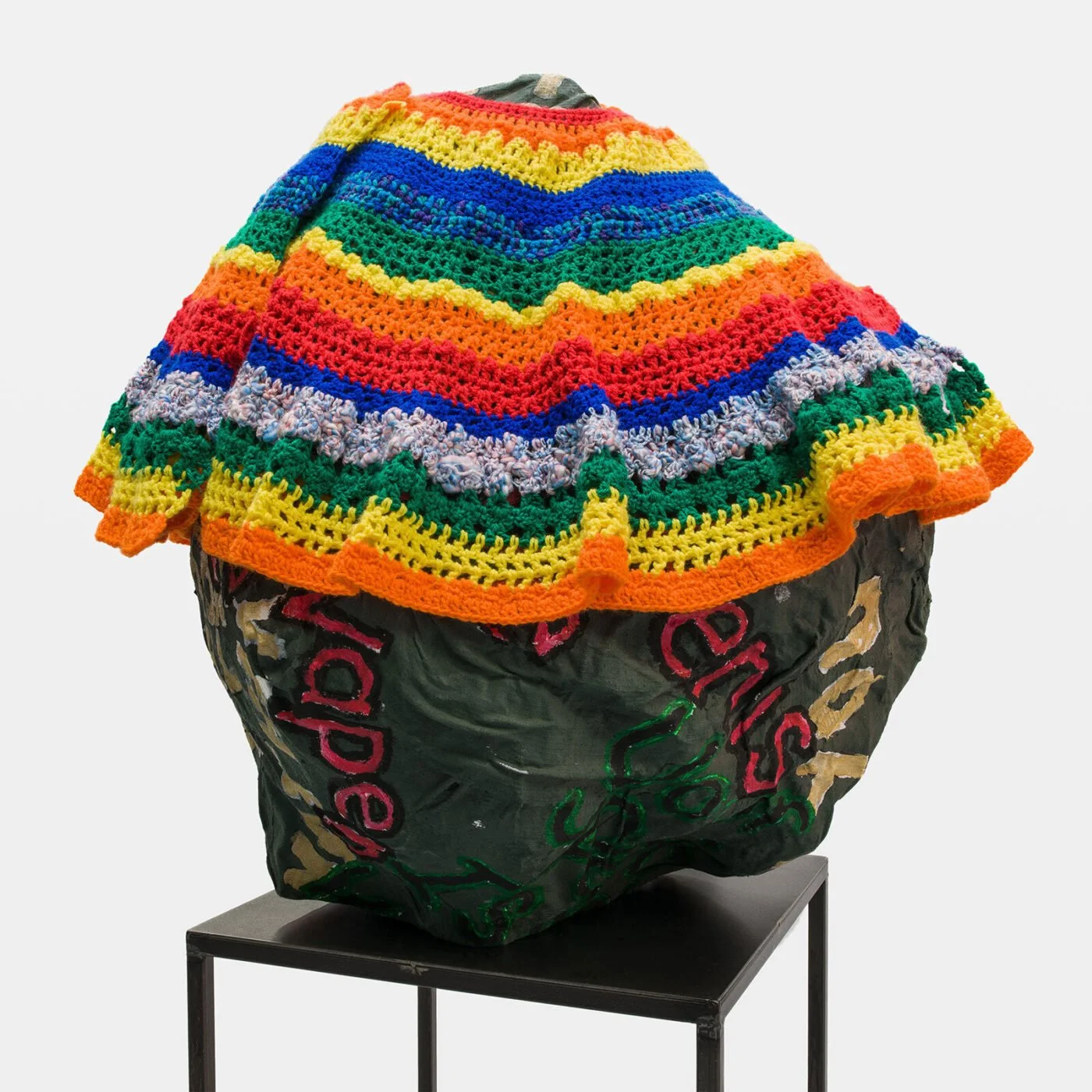
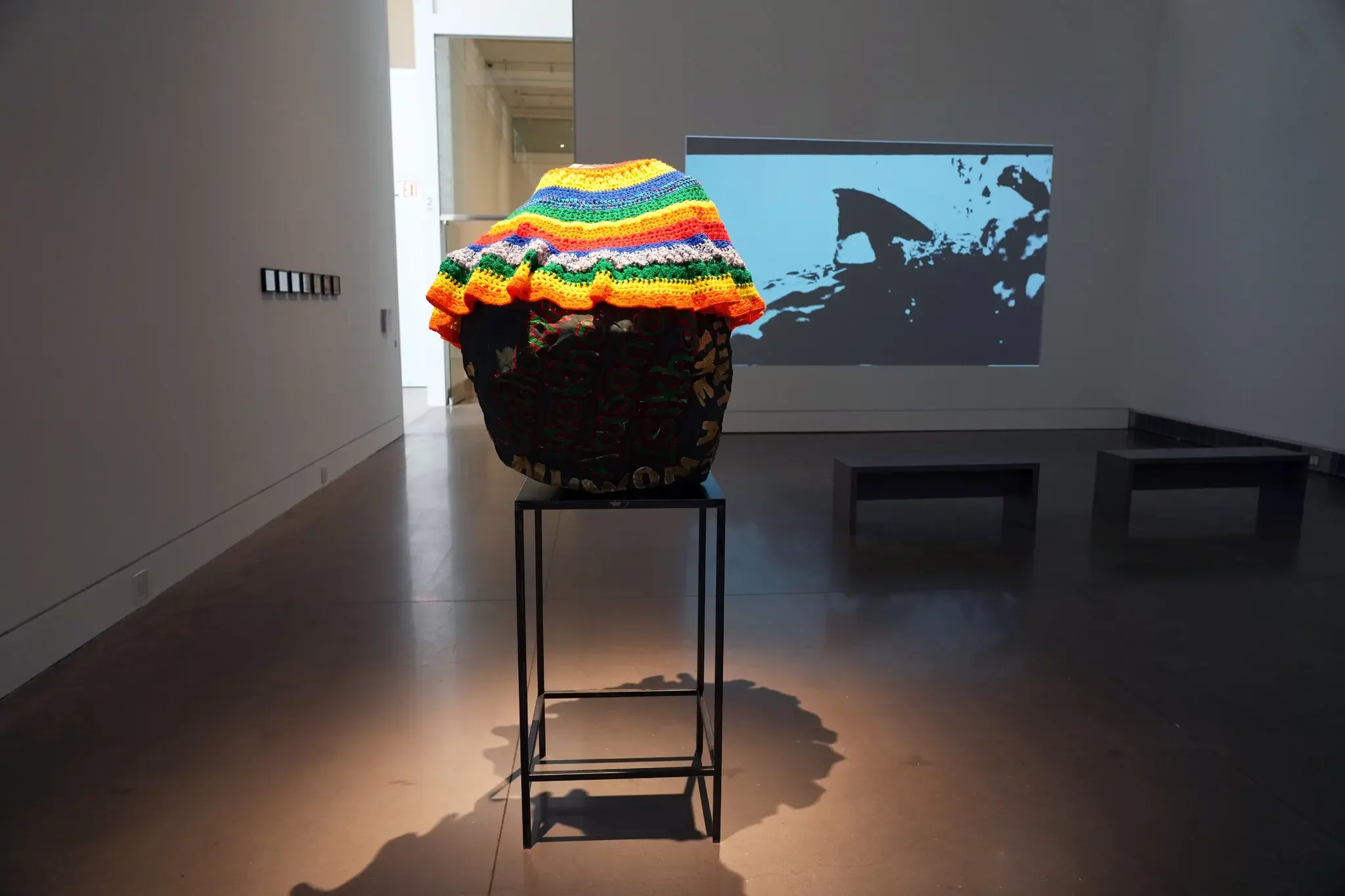
In later works, including The Black Paintings: Dead White Man (2016) and Waiting for God (2017), Rose expands her investigation of power and erasure through large-scale installation and painterly abstraction, engaging themes of historical reckoning, repatriation, and the afterlives of apartheid. Across her oeuvre, the body functions not only as a performative instrument but as a site of resistance, vulnerability, and transformation.
In 2022, the Zeitz Museum of Contemporary Art Africa presented Tracey Rose: Shooting Down Babylon, the most comprehensive retrospective of her work to date. Spanning three decades of production, the exhibition foregrounded Rose’s sustained contribution to contemporary art in Africa and internationally, situating her practice within broader discourses on postcoloniality, feminism, and institutional critique.
Rose has exhibited extensively worldwide and represented South Africa at the 58th Venice Biennale in 2016. Her work is held in major public and private collections and continues to exert significant influence on contemporary performance and conceptual art practices.
She has held numerous solo and group exhibitions internationally. Major exhibitions include the Venice Biennale (2001, 2007, 2016, 2019); Documenta 14, Kassel and Athens (2017); The Studio Museum in Harlem; Tate Liverpool; Hayward Gallery, London; Centre Pompidou, Paris; and Museum of Modern Art, New York. Recent solo exhibitions include Shooting Down Babylon (The Art of War) at the Zeitz Museum of Contemporary Art Africa (Zeitz MOCAA) (2022), which toured to the Queensland Art Gallery | Gallery of Modern Art (QAGOMA), Brisbane (2023–24).
Her work is represented in major public and private collections worldwide, including the Tate, Centre Pompidou, Zeitz MOCAA, and the South African National Gallery. Through her unflinching performances and visual language, Rose continues to redefine the possibilities of feminist and decolonial expression in contemporary art.